- Growth, Healing, Change
The Present Christ
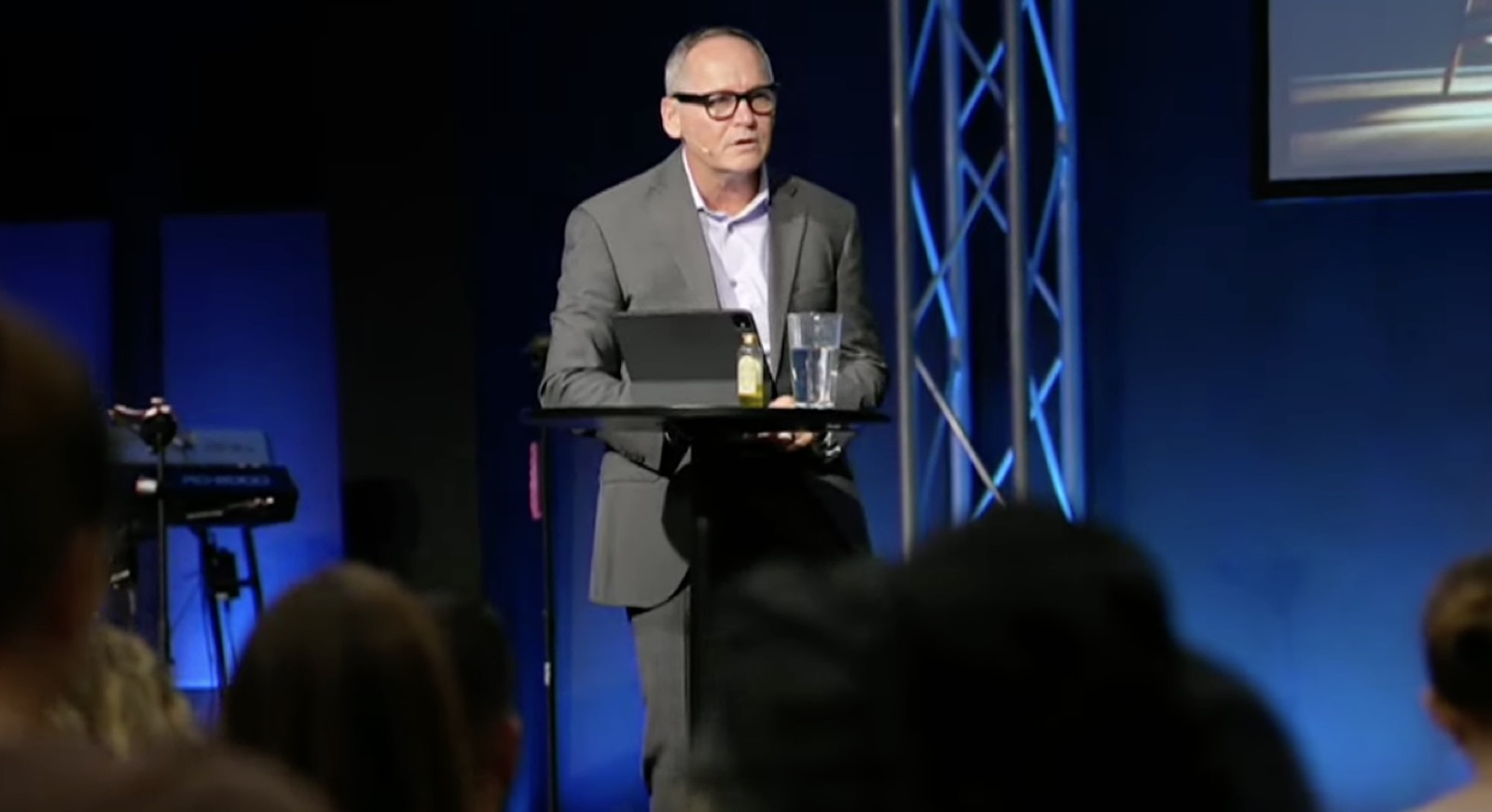
Steven ParkerSeptember 27, 2026 · 9 min read
Truth, Deeper Truth, Deepest Truth
There is a question worth sitting with today, one that cuts through the noise of religious routine and theological debate and lands somewhere deeply personal. Are you so focused on what is coming that you are missing what is already here?
It is a question with ancient roots. Long before it applied to anyone reading these words, it applied to a people who had waited centuries for their Deliverer. They had the prophecies. They had the promises. They had the whole theological framework built around what the Messiah would look like, how he would arrive, what he would accomplish, and what kind of throne he would sit on. And then he stood right in front of them, and they could not see him. Not because he was hidden. Not because the signs were absent. But because he did not fit the theology they had built around him.
They beat him. They mocked him. They nailed him to a cross. And all the while, they kept saying among themselves, the Messiah is coming soon.
That is not just a historical tragedy. It is a mirror.
Theology Is Not the Same as Relationship
Here is something worth understanding clearly. Everything you believe, whether about God or about life in general, is a theology. A theology is simply how you have wrapped your mind around what you believe to be true. And theologies change. Denominations hold conventions. Movements update their statements of faith. Interpretations shift with culture, with leadership, with the passing of generations. What was considered absolute truth in one era gets quietly revised in the next.
But there are three things that do not change and cannot be argued away by any convention or council. God the Father. Jesus Christ the Son. And the Holy Spirit, that person sent to lead, guide, teach, and transform those who receive him. These are not theological positions. They are persons. Real, feeling, present persons.
The Father expressed anger and pleasure. Jesus experienced grief and joy and anguish. The Holy Spirit grieves over those who do not receive Christ. These are not abstract doctrines. They are the characteristics of persons who exist and who are actively present.
And this is the critical distinction. Theology can point toward these persons, but it cannot replace them. No one has ever come to know God through theology alone. Relationship with the Father has never, not once, been the product of correct doctrinal alignment. It has always and only come through union with the person of Jesus Christ.
The Truth
Moses is one of the most remarkable figures in all of Scripture, and his story carries a layered lesson about presence and faith. At the burning bush, described in Exodus 3, he responded immediately. When told to remove his sandals on holy ground, he did not ask why. He simply obeyed. His faith in that moment was uncomplicated and direct.
But later, when God called him to speak before Pharaoh, Moses retreated into his own self-assessment. He was not a strong speaker. He could not do it. His theology about himself overrode the presence and the call of the one standing before him. The task was ultimately given to another, and Moses, as great as he was, never entered the promised land.
His limitation was not ability. It was vision. He could not see past what he believed about himself to receive what was being offered to him in the present.
The Deeper Truth
There is a song many in the church have sung for generations. Jesus is coming soon. It is not a wrong song. There is truth in it. Scripture is clear, as seen in Revelation 1:7 and John 14:3, that Christ will return, that every eye will see him, and that he is preparing a place for those who belong to him.
But here is where the deeper truth lives. That future hope, when it becomes the only focus, can become the very thing that blinds us to his present reality. The Jews used their future expectation as a reason to reject what was standing in front of them. And the church, in many of its expressions today, uses the anticipation of Christ's return as an emotional anchor while quietly living as though he is absent right now.
Jesus himself addressed this directly. In Matthew 28:19-20, after commissioning his followers to go and make disciples, he made a declaration that deserves more weight than it typically receives. He said that he would be with them always, to the very end of the age. Not eventually. Not soon. Always. That word includes yesterday, today, and every moment between now and whatever comes next.
Hebrews 13:5 reinforces this with the promise that he will never leave or forsake those who belong to him. Never is not a word that leaves room for seasons of absence. It is absolute. It is present tense stretched across all of time.
The Deepest Truth
The deepest truth is not complicated, but it is confrontational. Jesus Christ is not primarily a future event. He is a present person. He is here now, possessing all of heaven on your behalf, ready to heal, restore, deliver, forgive, and transform. The question is not whether he will show up. The question is whether you will recognize him when he does.
All of heaven was present in Christ standing before the Jewish people. They missed it entirely because it did not match their expectations. The same invitation, the same presence, and the same risk of missing it exists today.
What part of heaven do you need right now? What does restoration look like for you in this moment? What has been broken that needs the hands of a present Christ rather than a future one?
He is not looking over the horizon waiting for the right moment to become relevant to your life. He is standing in front of you, as he always has been, offering everything the Father has ever had.
The Messiah you have been looking for is not somewhere in the distance.
He has come and He is here.
[Section 1] label="Main" scheme=0
The Present Christ
Truth, Deeper Truth, Deepest Truth
There is a question worth sitting with today, one that cuts through the noise of religious routine and theological debate and lands somewhere deeply personal. Are you so focused on what is coming that you are missing what is already here?
It is a question with ancient roots. Long before it applied to anyone reading these words, it applied to a people who had waited centuries for their Deliverer. They had the prophecies. They had the promises. They had the whole theological framework built around what the Messiah would look like, how he would arrive, what he would accomplish, and what kind of throne he would sit on. And then he stood right in front of them, and they could not see him. Not because he was hidden. Not because the signs were absent. But because he did not fit the theology they had built around him.
They beat him. They mocked him. They nailed him to a cross. And all the while, they kept saying among themselves, the Messiah is coming soon.
That is not just a historical tragedy. It is a mirror.
Theology Is Not the Same as Relationship
Here is something worth understanding clearly. Everything you believe, whether about God or about life in general, is a theology. A theology is simply how you have wrapped your mind around what you believe to be true. And theologies change. Denominations hold conventions. Movements update their statements of faith. Interpretations shift with culture, with leadership, with the passing of generations. What was considered absolute truth in one era gets quietly revised in the next.
But there are three things that do not change and cannot be argued away by any convention or council. God the Father. Jesus Christ the Son. And the Holy Spirit, that person sent to lead, guide, teach, and transform those who receive him. These are not theological positions. They are persons. Real, feeling, present persons.
The Father expressed anger and pleasure. Jesus experienced grief and joy and anguish. The Holy Spirit grieves over those who do not receive Christ. These are not abstract doctrines. They are the characteristics of persons who exist and who are actively present.
And this is the critical distinction. Theology can point toward these persons, but it cannot replace them. No one has ever come to know God through theology alone. Relationship with the Father has never, not once, been the product of correct doctrinal alignment. It has always and only come through union with the person of Jesus Christ.
The Truth
Moses is one of the most remarkable figures in all of Scripture, and his story carries a layered lesson about presence and faith. At the burning bush, described in Exodus 3, he responded immediately. When told to remove his sandals on holy ground, he did not ask why. He simply obeyed. His faith in that moment was uncomplicated and direct.
But later, when God called him to speak before Pharaoh, Moses retreated into his own self-assessment. He was not a strong speaker. He could not do it. His theology about himself overrode the presence and the call of the one standing before him. The task was ultimately given to another, and Moses, as great as he was, never entered the promised land.
His limitation was not ability. It was vision. He could not see past what he believed about himself to receive what was being offered to him in the present.
The Deeper Truth
There is a song many in the church have sung for generations. Jesus is coming soon. It is not a wrong song. There is truth in it. Scripture is clear, as seen in Revelation 1:7 and John 14:3, that Christ will return, that every eye will see him, and that he is preparing a place for those who belong to him.
But here is where the deeper truth lives. That future hope, when it becomes the only focus, can become the very thing that blinds us to his present reality. The Jews used their future expectation as a reason to reject what was standing in front of them. And the church, in many of its expressions today, uses the anticipation of Christ's return as an emotional anchor while quietly living as though he is absent right now.
Jesus himself addressed this directly. In Matthew 28:19-20, after commissioning his followers to go and make disciples, he made a declaration that deserves more weight than it typically receives. He said that he would be with them always, to the very end of the age. Not eventually. Not soon. Always. That word includes yesterday, today, and every moment between now and whatever comes next.
Hebrews 13:5 reinforces this with the promise that he will never leave or forsake those who belong to him. Never is not a word that leaves room for seasons of absence. It is absolute. It is present tense stretched across all of time.
The Deepest Truth
The deepest truth is not complicated, but it is confrontational. Jesus Christ is not primarily a future event. He is a present person. He is here now, possessing all of heaven on your behalf, ready to heal, restore, deliver, forgive, and transform. The question is not whether he will show up. The question is whether you will recognize him when he does.
All of heaven was present in Christ standing before the Jewish people. They missed it entirely because it did not match their expectations. The same invitation, the same presence, and the same risk of missing it exists today.
What part of heaven do you need right now? What does restoration look like for you in this moment? What has been broken that needs the hands of a present Christ rather than a future one?
He is not looking over the horizon waiting for the right moment to become relevant to your life. He is standing in front of you, as he always has been, offering everything the Father has ever had.
The Messiah you have been looking for is not somewhere in the distance.
He has come and He is here.
Written by
Steven Parker
Founding Pastor
Steven and his wife Kimberly started The Rock in 1999. He writes a Deep Dive alongside most Sunday messages.
Messages by Steven