- Discipled
Scripture and You
Steven ParkerJune 28, 2026 · 12 min read
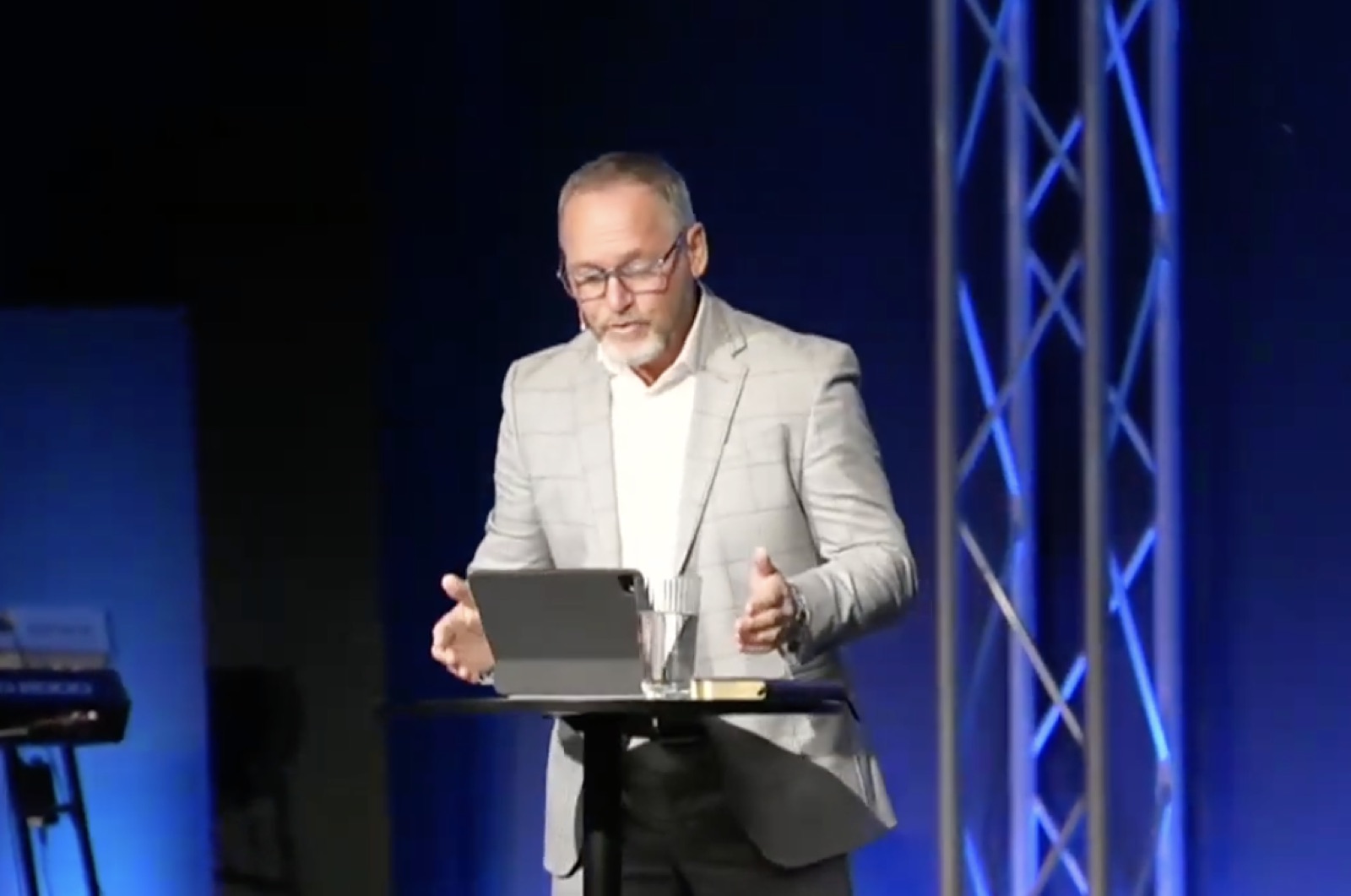
The Beautiful Dance Between Grace and Law: Finding Completeness in God's Word
Have you ever had a brilliant idea, something you could see so clearly in your mind that you were certain you could bring it to life? Maybe it was a business venture, a creative project, or even something as simple as a piece of furniture you wanted to build. You could visualize the finished product perfectly. You ordered the materials. You started the work. But somehow, it never came together the way you imagined.
This experience is more common than we might think, and it reveals a profound spiritual truth: having a vision without understanding the laws that govern its creation will always leave us with an unfinished product.
The Repository of God's Word
Scripture tells us something remarkable about our design. We are created as repositories, living vessels specifically fashioned to receive and hold the Word of God. The Father didn't just create us and leave us to figure things out on our own. He designed us with an internal capacity to continually receive His Word, allowing it to transform us from the inside out.
This transformation isn't optional for those who follow Christ. It's essential. None of us have arrived at perfection. None of us can claim to have outgrown our need for discipleship. The moment we believe we no longer need to be taught, corrected, or guided is the moment we've lost sight of the journey altogether.
Consider the things that might mark our lives today, gossip, negativity, quick tempers, judgmental attitudes. These characteristics don't have to define us permanently. God created us to grow up from these things, not just out of them. The difference is significant. Growing out suggests we simply leave one problem behind only to stumble into another. Growing up means we're being elevated, raised to a higher place where those old patterns no longer have power over us.
All Scripture: Not Just the Parts We Like
Second Timothy 3:16-17 makes a declaration that should shake us out of any complacency: "All Scripture is breathed out by God and is profitable for teaching, for reproof, for correction and for training in righteousness, so that the man or woman of God may be complete and equipped for every good work."
Notice that word: all. Not some. Not just the comfortable parts. Not only the passages about grace and love. All of it.
Yet many believers today have developed a troubling habit of dividing Scripture into categories of relevance. We've labeled portions of God's Word as "Old Testament", implying they're outdated, obsolete, no longer applicable to our modern lives. We prefer to camp out in the "New Testament," where grace flows freely and the demands seem lighter.
But this division misses something crucial. What if we thought of Scripture not as Old and New, but as First and Second? The First Testament wasn't rendered obsolete by the Second. Instead, the Second came to fulfill the First. Jesus Himself declared in Matthew 5:17, "Do not think that I have come to abolish the law or the prophets. I have not come to abolish them but to fulfill them."
The Pragmatist and the Lock
Think about a small padlock on a barn door, the kind that's so tiny it seems almost symbolic rather than functional. Anyone determined to break in could easily do so. So what's the point of the lock?
The lock isn't there to stop criminals. It's there to keep honest people honest. It serves as a reminder, a boundary marker that says, "What's behind this door isn't yours." An honest person sees that lock and walks away, not because the lock could physically stop them, but because they respect what it represents.
This is the relationship between law and grace. The law serves as a boundary, a guide, a teacher. It shows us what's right and what isn't. But the law alone cannot transform our hearts. That's where grace enters the picture.
Grace doesn't eliminate the need for boundaries. Instead, grace transforms us so deeply that we no longer need external constraints to keep us on the right path. The desire to violate the law diminishes because our hearts have been changed.
The Ten Commandments Still Matter
Let's be honest about something uncomfortable: Which of the Ten Commandments became optional when Jesus came?
Should we murder? Commit adultery? Steal? Bear false witness? Covet what belongs to others? Put other gods before the one true God?
Of course not. These laws remain as relevant today as they were when God first spoke them on Mount Sinai. The difference now is that we have access to something greater than our own willpower to keep them. We have the indwelling presence of Christ, who fulfilled every requirement of the law on our behalf.
This doesn't mean the law disappeared. It means we now have the power to live according to its principles through grace. When temptation comes, and it will come, we don't rely on sheer determination to resist. We lean on Someone stronger, Someone who has already overcome every temptation we'll ever face.
Both Grace and Law Are Necessary
Here's the tension we must embrace: Keeping all the laws doesn't save us, but grace doesn't eliminate the need for godly boundaries.
The First Testament is largely law-based, showing us God's standards and our inability to meet them on our own. The Second Testament is grace-based, revealing how God Himself provided the solution to our inadequacy through Jesus Christ. But we need both.
Romans 3:20 reminds us, "For by works of the law, no human being will be justified in God's sight." We cannot earn our salvation through perfect obedience. That's impossible.
Yet Galatians 2:16 adds, "We know that a person is not justified by works of the law, but through faith in Jesus Christ." Faith in Christ is the answer, but faith in Christ doesn't mean lawlessness. It means transformation.
Growing Into Grace
When someone new to faith begins their journey with God, they often need clear guidelines. "Don't do this. Do that instead." These aren't legalistic demands meant to burden them. They're loving boundaries designed to protect them while their understanding grows.
As we mature in Christ, something beautiful happens. What once required external reminders becomes internal conviction. The Holy Spirit writes God's law on our hearts, and we find ourselves naturally desiring what honors Him. The boundaries don't disappear, but our relationship with them changes. We're no longer begrudgingly obeying rules; we're joyfully walking in alignment with our transformed nature.
This is discipleship. This is growth. This is what it means to become complete.
We Are All Disciples
None of us have arrived. None of us can claim to know everything about God's kingdom or to have mastered every aspect of Christian living. We are all disciples, learners, students, followers who are still being shaped and molded.
That means we must remain open to teaching, reproof, correction, and training. These aren't pleasant words in a culture that prizes autonomy and personal truth. But they're essential for anyone who wants to become the complete work God intends.
When someone speaks truth into our lives, even uncomfortable truth, we have a choice. We can bristle, defend ourselves, and insist we're fine as we are. Or we can receive it humbly, recognizing that God often uses other people to show us our blind spots and guide us toward growth.
The Complete Work
God's ultimate goal for each of us is completeness, not perfection in this life, but maturity, wholeness, readiness for every good work He has prepared for us. That completeness comes through the entire counsel of God's Word, both First and Second Testaments working together to reveal His character, His ways, and His purposes.
We are repositories, designed to receive and hold His Word. Let's not pick and choose which parts we'll accept. Let's open ourselves to all of Scripture, trusting that the God who breathed it out knows exactly what we need to become who He created us to be.
The table legs may still be sitting in the garage, waiting for the knowledge and skill to complete the project. But in God's kingdom, He provides both the vision and the instruction manual. Our job is simply to remain teachable, humble, and willing to grow.
That's where grace and law meet, in the surrendered heart of a disciple who says, "Change me, teach me, complete me."
[Section 1] label="Main" scheme=0
Scripture and You
The Beautiful Dance Between Grace and Law: Finding Completeness in God's Word
Have you ever had a brilliant idea, something you could see so clearly in your mind that you were certain you could bring it to life? Maybe it was a business venture, a creative project, or even something as simple as a piece of furniture you wanted to build. You could visualize the finished product perfectly. You ordered the materials. You started the work. But somehow, it never came together the way you imagined.
This experience is more common than we might think, and it reveals a profound spiritual truth: having a vision without understanding the laws that govern its creation will always leave us with an unfinished product.
The Repository of God's Word
Scripture tells us something remarkable about our design. We are created as repositories, living vessels specifically fashioned to receive and hold the Word of God. The Father didn't just create us and leave us to figure things out on our own. He designed us with an internal capacity to continually receive His Word, allowing it to transform us from the inside out.
This transformation isn't optional for those who follow Christ. It's essential. None of us have arrived at perfection. None of us can claim to have outgrown our need for discipleship. The moment we believe we no longer need to be taught, corrected, or guided is the moment we've lost sight of the journey altogether.
Consider the things that might mark our lives today, gossip, negativity, quick tempers, judgmental attitudes. These characteristics don't have to define us permanently. God created us to grow up from these things, not just out of them. The difference is significant. Growing out suggests we simply leave one problem behind only to stumble into another. Growing up means we're being elevated, raised to a higher place where those old patterns no longer have power over us.
All Scripture: Not Just the Parts We Like
Second Timothy 3:16-17 makes a declaration that should shake us out of any complacency: "All Scripture is breathed out by God and is profitable for teaching, for reproof, for correction and for training in righteousness, so that the man or woman of God may be complete and equipped for every good work."
Notice that word: all. Not some. Not just the comfortable parts. Not only the passages about grace and love. All of it.
Yet many believers today have developed a troubling habit of dividing Scripture into categories of relevance. We've labeled portions of God's Word as "Old Testament", implying they're outdated, obsolete, no longer applicable to our modern lives. We prefer to camp out in the "New Testament," where grace flows freely and the demands seem lighter.
But this division misses something crucial. What if we thought of Scripture not as Old and New, but as First and Second? The First Testament wasn't rendered obsolete by the Second. Instead, the Second came to fulfill the First. Jesus Himself declared in Matthew 5:17, "Do not think that I have come to abolish the law or the prophets. I have not come to abolish them but to fulfill them."
The Pragmatist and the Lock
Think about a small padlock on a barn door, the kind that's so tiny it seems almost symbolic rather than functional. Anyone determined to break in could easily do so. So what's the point of the lock?
The lock isn't there to stop criminals. It's there to keep honest people honest. It serves as a reminder, a boundary marker that says, "What's behind this door isn't yours." An honest person sees that lock and walks away, not because the lock could physically stop them, but because they respect what it represents.
This is the relationship between law and grace. The law serves as a boundary, a guide, a teacher. It shows us what's right and what isn't. But the law alone cannot transform our hearts. That's where grace enters the picture.
Grace doesn't eliminate the need for boundaries. Instead, grace transforms us so deeply that we no longer need external constraints to keep us on the right path. The desire to violate the law diminishes because our hearts have been changed.
The Ten Commandments Still Matter
Let's be honest about something uncomfortable: Which of the Ten Commandments became optional when Jesus came?
Should we murder? Commit adultery? Steal? Bear false witness? Covet what belongs to others? Put other gods before the one true God?
Of course not. These laws remain as relevant today as they were when God first spoke them on Mount Sinai. The difference now is that we have access to something greater than our own willpower to keep them. We have the indwelling presence of Christ, who fulfilled every requirement of the law on our behalf.
This doesn't mean the law disappeared. It means we now have the power to live according to its principles through grace. When temptation comes, and it will come, we don't rely on sheer determination to resist. We lean on Someone stronger, Someone who has already overcome every temptation we'll ever face.
Both Grace and Law Are Necessary
Here's the tension we must embrace: Keeping all the laws doesn't save us, but grace doesn't eliminate the need for godly boundaries.
The First Testament is largely law-based, showing us God's standards and our inability to meet them on our own. The Second Testament is grace-based, revealing how God Himself provided the solution to our inadequacy through Jesus Christ. But we need both.
Romans 3:20 reminds us, "For by works of the law, no human being will be justified in God's sight." We cannot earn our salvation through perfect obedience. That's impossible.
Yet Galatians 2:16 adds, "We know that a person is not justified by works of the law, but through faith in Jesus Christ." Faith in Christ is the answer, but faith in Christ doesn't mean lawlessness. It means transformation.
Growing Into Grace
When someone new to faith begins their journey with God, they often need clear guidelines. "Don't do this. Do that instead." These aren't legalistic demands meant to burden them. They're loving boundaries designed to protect them while their understanding grows.
As we mature in Christ, something beautiful happens. What once required external reminders becomes internal conviction. The Holy Spirit writes God's law on our hearts, and we find ourselves naturally desiring what honors Him. The boundaries don't disappear, but our relationship with them changes. We're no longer begrudgingly obeying rules; we're joyfully walking in alignment with our transformed nature.
This is discipleship. This is growth. This is what it means to become complete.
We Are All Disciples
None of us have arrived. None of us can claim to know everything about God's kingdom or to have mastered every aspect of Christian living. We are all disciples, learners, students, followers who are still being shaped and molded.
That means we must remain open to teaching, reproof, correction, and training. These aren't pleasant words in a culture that prizes autonomy and personal truth. But they're essential for anyone who wants to become the complete work God intends.
When someone speaks truth into our lives, even uncomfortable truth, we have a choice. We can bristle, defend ourselves, and insist we're fine as we are. Or we can receive it humbly, recognizing that God often uses other people to show us our blind spots and guide us toward growth.
The Complete Work
God's ultimate goal for each of us is completeness, not perfection in this life, but maturity, wholeness, readiness for every good work He has prepared for us. That completeness comes through the entire counsel of God's Word, both First and Second Testaments working together to reveal His character, His ways, and His purposes.
We are repositories, designed to receive and hold His Word. Let's not pick and choose which parts we'll accept. Let's open ourselves to all of Scripture, trusting that the God who breathed it out knows exactly what we need to become who He created us to be.
The table legs may still be sitting in the garage, waiting for the knowledge and skill to complete the project. But in God's kingdom, He provides both the vision and the instruction manual. Our job is simply to remain teachable, humble, and willing to grow.
That's where grace and law meet, in the surrendered heart of a disciple who says, "Change me, teach me, complete me."
Written by
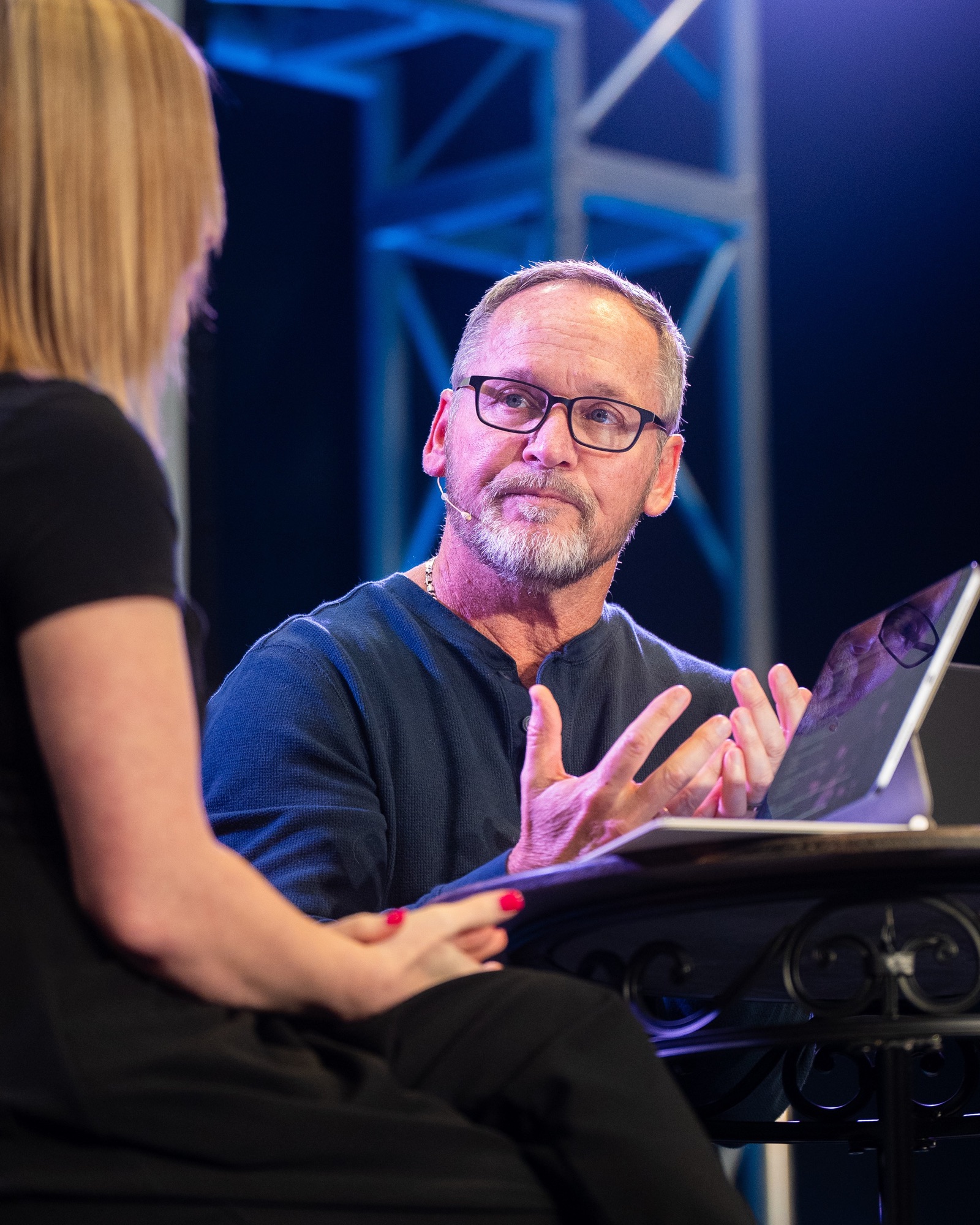
Steven Parker
Founding Pastor
Steven and his wife Kimberly started The Rock in 1999. He writes a Deep Dive alongside most Sunday messages.
Messages by Steven